Music History
Welcome to our vlog, which explores the journey through music history! This series will delve into diverse musical time periods, uncovering each era's distinct characteristics. From the monophonic melodies of the Medieval period to the revolutionary sounds of the Classical era, we'll unravel what sets each era apart and the composers who left an indelible mark on their time. This work aims to serve as a comprehensive study guide for my graduation examination.
Medieval
Liturgy
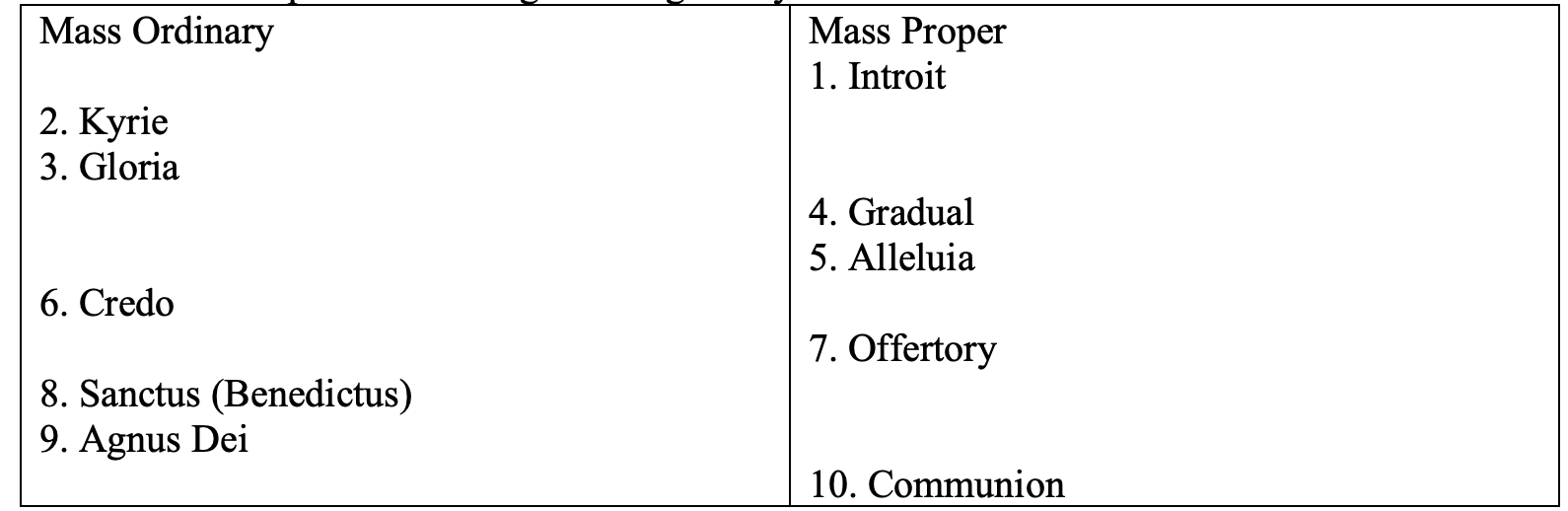
The history of music in Europe is connected to the Christian church. Music notations were created to teach melody (Burkholder et al. 21). The Western church became the Roman Catholic Church (Burkholder et al. 27). The church mass consisted of text that changed every week depending on the day, Mass Proper, and texts that remained the same but the music changed, Mass Ordinary (Poultney 6).
Chant
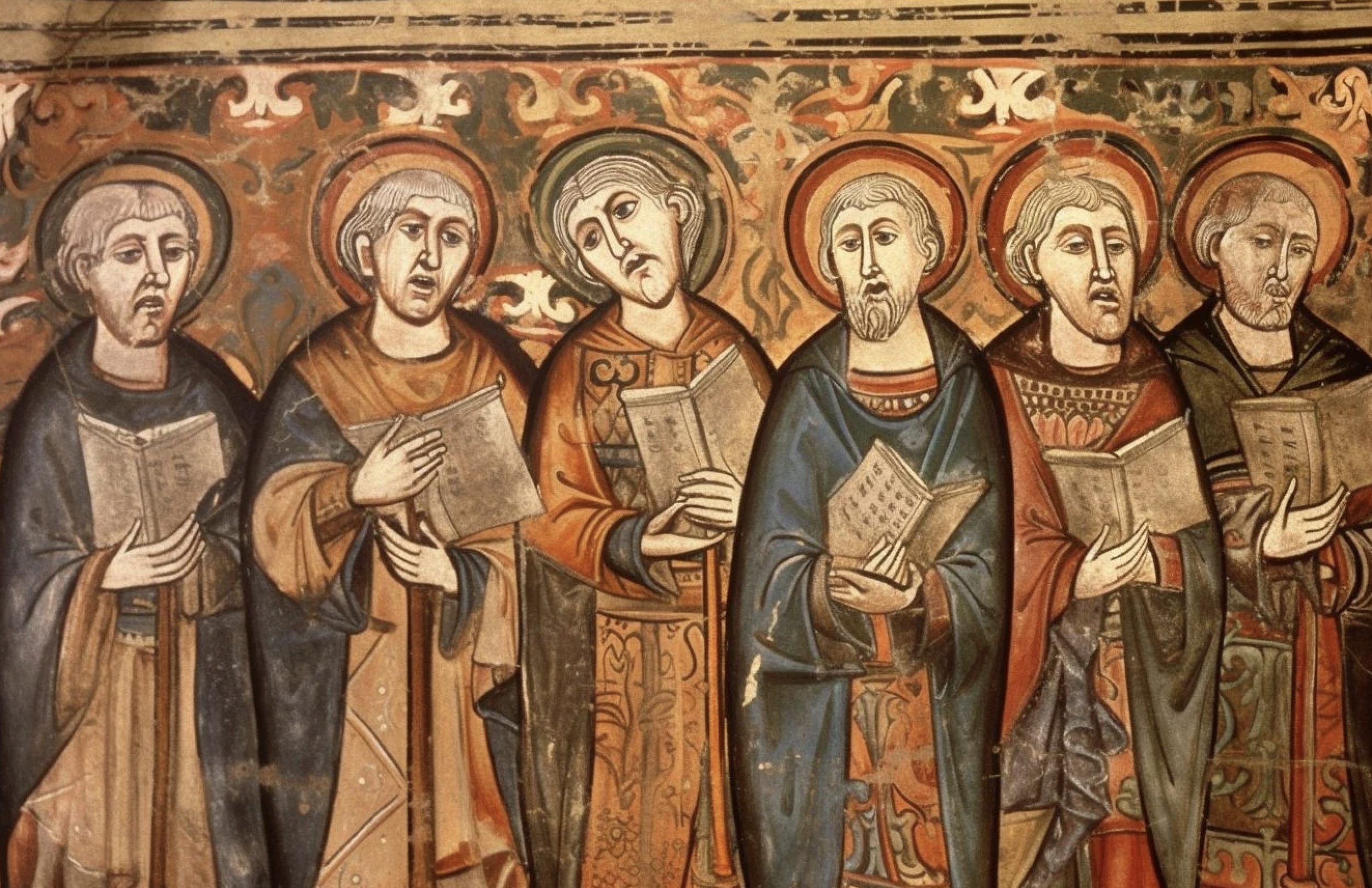
Chant is monophonic music sung in the celebration of Christian liturgy. The chant was composed anonymously in the early Christian churches to convey the sacred Word. The most significant Western plainsong heritage was Gregorian (Rome), the official chant of the catholic church (Poultney 4). The text style of the chant may be written in one note per syllable, syllabic style, or several notes per syllable, melismatic style (Poultney 6). Chant is performed in 3 different ways: responsorial, where the soloist alternates with the choir; antiphonal, where two groups of half the choir alternate; and direct without alternating (Burkholder et al. 52). Music was passed down by ear until the earliest notation signs were created, neumes (Burkholder et al. 35).
Mass of Christmas Day - Gregorian chant mass - Introit
This chant mass was created to celebrate the birth of Jesus. The introit, Latin for entrance, is part of the proper mass. This proper chant has text and melodies unique to this day's church calendar (Burkholder et al., vol. 1, 10).
Hildegard von Bingen: Ordo virtutum, Sacred music drama
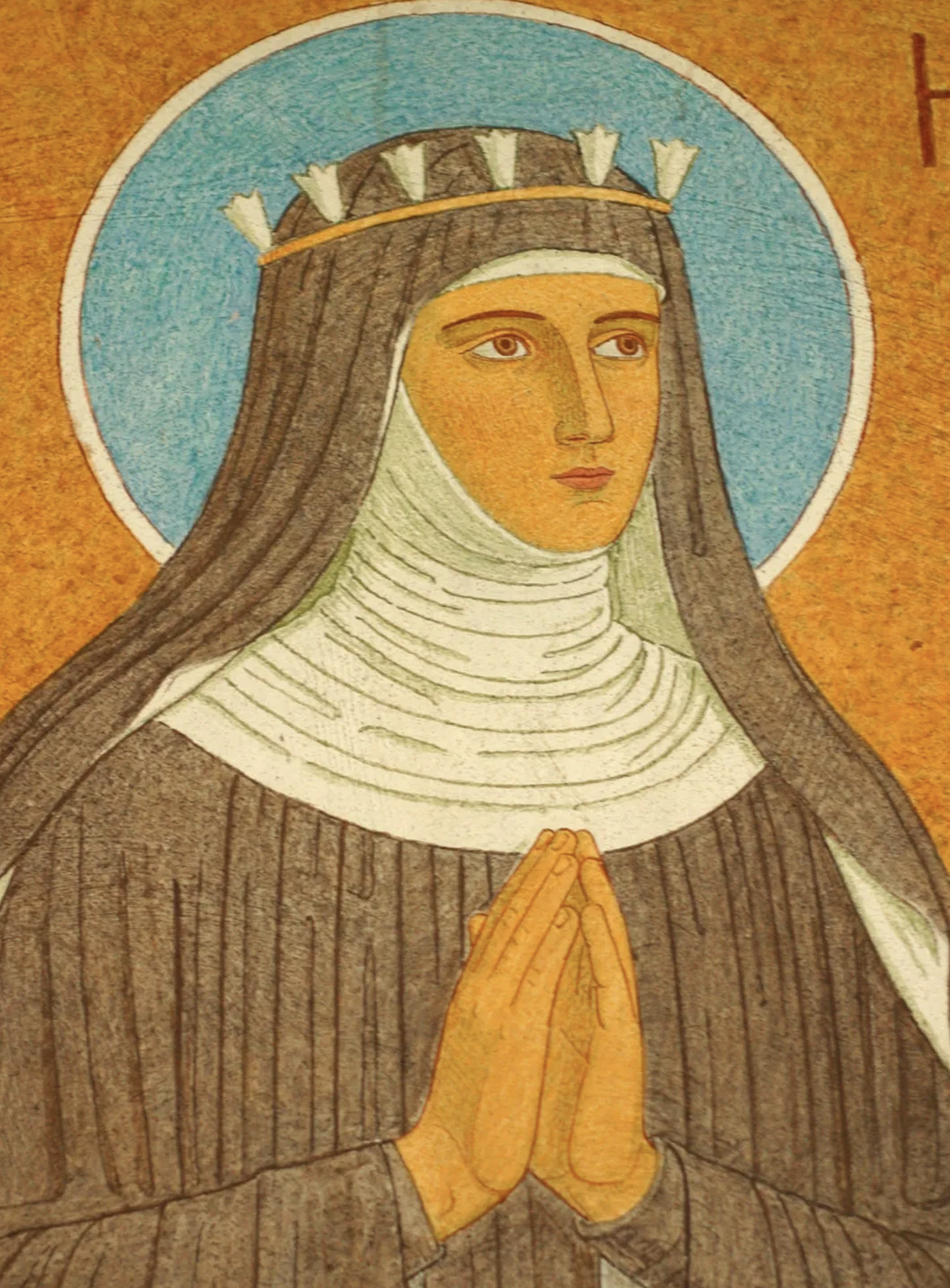
Hildegard's extensive musical work, Ordo Virtutum (The Virtues, ca. 1151), is a sacred music drama. It is a morality play featuring allegorical characters like Prophets, Virtues, Happy Souls, Unhappy Souls, and Penitent Souls. The female Virtues guide the fallen soul back to the faithful community. All characters sing in plainchant except the Devil, who can only speak, symbolizing his separation from God. The final chorus exemplifies Hildegard's distinctive and expansive melodies (Burkholder et al. 64).
Secular music
Beginning in the 12th century, the most important vernacular songs were performed in the courts by musicians called troubadours (from Occitan) (Burkholder et al. 73).
Bernart de Ventadorn: Can vei la lauzeta mover, canso (turbador song)
Polyphony
9th century
Polyphony is a multiple-independent melody line. The organum is two or more different voice parts agreeing on combinations according to given rules (Burkholder et al. 85). The parallel organum is music written in perfect 4ths and 5ths (singing a 4th below the melody). Parallel and oblique organum is moving in contrary motion still perfect intervals. Free Organum has more notes in the new voice than the principal voice. Organum duplum is the second voice over a sustained note. Florid organum has more polyphony and tenor sustained note and rhythmic modes.
Leoninus and colleagues: Viderunt omnes
13th Century
Early motets had different text in each voice part and were not in a mass setting, which can be secular or vernacular (Poultney 3).
End of Medieval/Early Renaissance
14th Century
·Ars nova was a new music style in France.
Guillaume de Machuat (French) comes out of Notre Dame education. He wrote multiple genres. He wrote 23 motets, 20 of which were isorhythmic and repeated rhythms. His mass movements are linked to the same tonal focus (Burkholder et al. 73).
Guillame de Machaut: La Messe de Nostre Dame: Kyrie, Mass (Mass ordinary)
Francesco Landini (Italian) was the leading composer of Ballate. “Of his 140 Ballate. 89 are for two voices. 42 for three, and nine
survive in both two- and three-part versions.” (Burkholder et al. 133)
Francesco Landini: Non avrà ma pieta, Ballata
Motets
Motets exemplified Ars Nova. Most were in 3 voice arts, Latin text, and isorhythmic (Burkholder et al. 118).
15th Century
Humanism was a significant term of the Renaissance; it was about things that made us human and humanities.
Madrigals
Old medieval Madrigals were vocal, sacred, strophic, 3 or 4 voices, unaccompanied, polyphonic, and had no text painting (Burkholder et al. 132). New Renaissance madrigals were secular, through-composed (not strophic), had text painting, 5 or 6 voices, homophonic, and had imitation. Italian madrigals did not have refrains or repeated lines; they painted the text to express the words, not emotions (Burkholder et al. 245).
Important Composers: Guillaume Du Fay, Josquin Desprez, Isaac, John Dunstable, William Byrd, Giovanni Pierluigi da Palestrina, William Byrd, Tomas Luis de Victoria, Carlo Gesualdo, Thomas Weelkes, John Dowland
Early Baroque 1600-1650
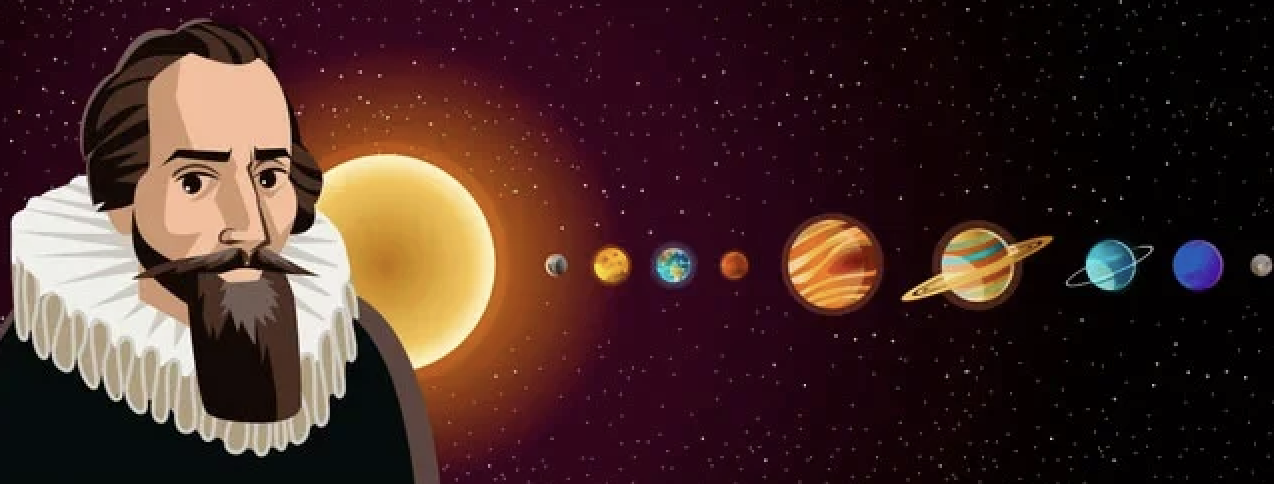
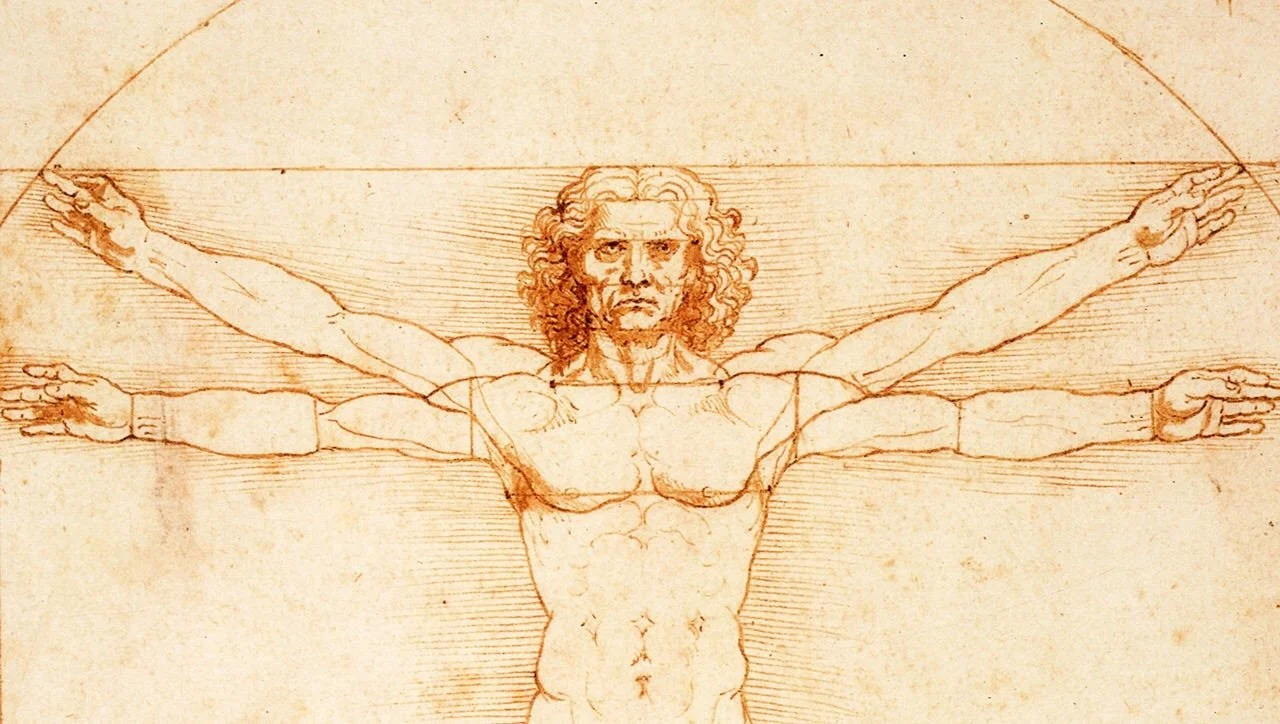
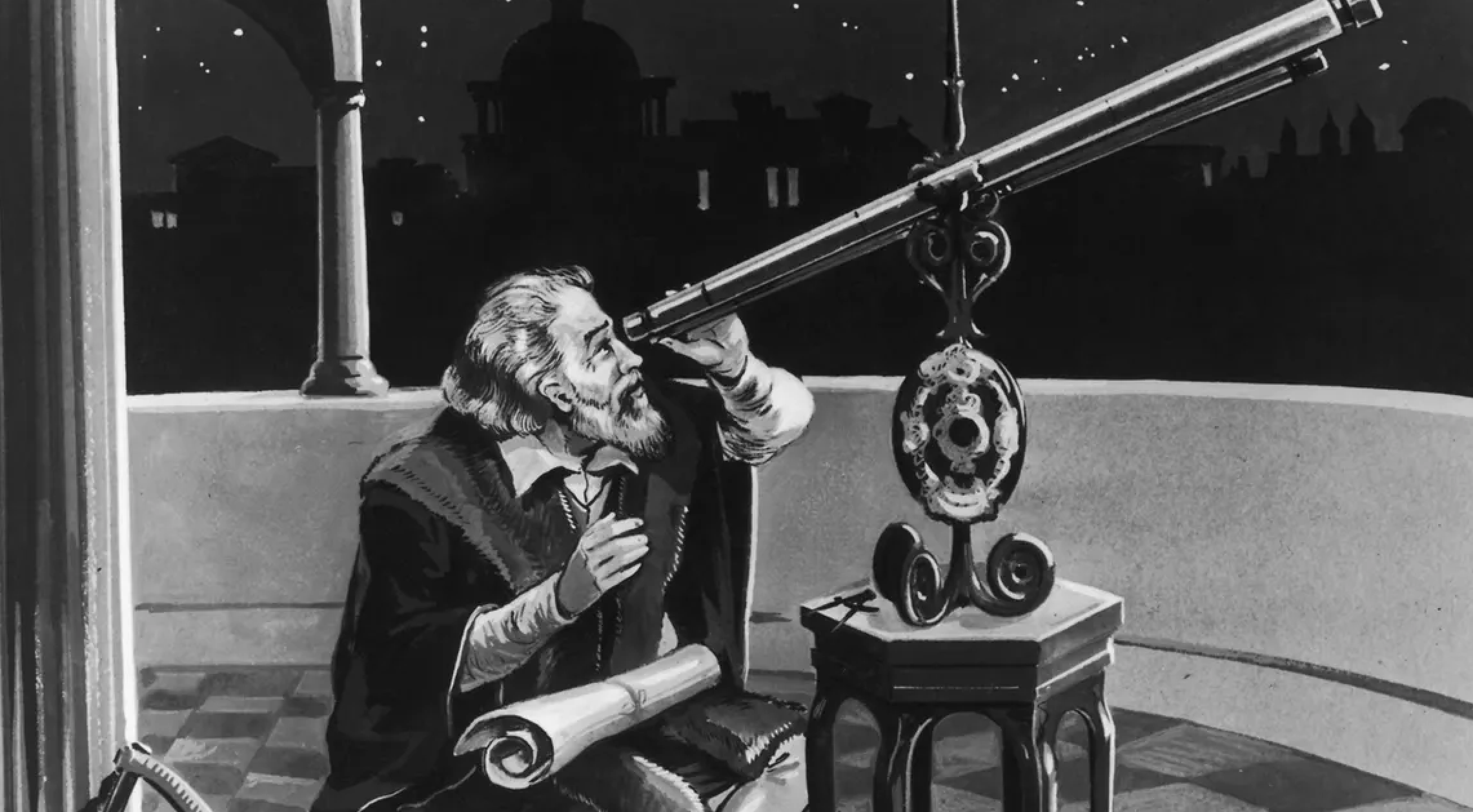
Early Baroque was an age of discovery by scientists like Galileo and Newton. The doctrine of affections was the belief that music can evoke emotions in the listener (Poultney 75).
Second practice
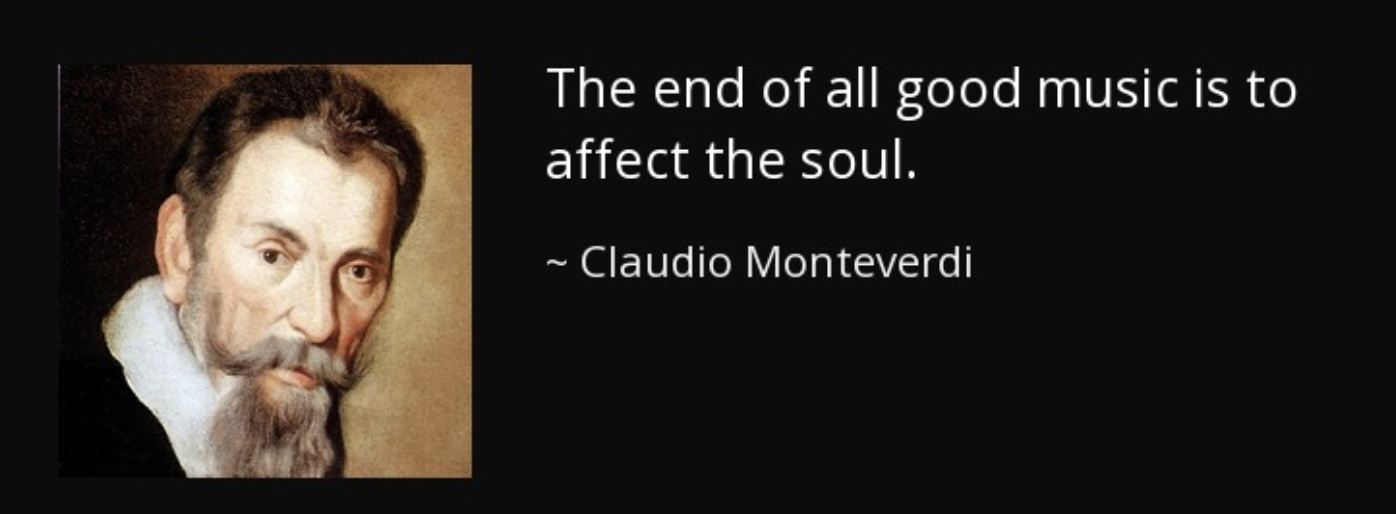
Zarlino wrote the first practice compositional rules. Monteverdi wrote the second practice, in which he was willing to break the rules to paint the text called La Nuova Musica (Laudon 260). Composers who followed the second practice were Claudio Monteverdi, Giulio Caccini, Giovani Gabrieli, Barbara Strozzi, Heinrich Schütz, and Henry Purcell.
Cruda Amarilli by Claudio Monteverdi -Madrigal
This piece was changing the rules of composition. For example, the bass in the second measure moved down to E, creating a 7th chord that is also dissonant to the word Cruda, the Latin word for bitter. (Burkholder et al. vol. 1. 434).
Instrumental music
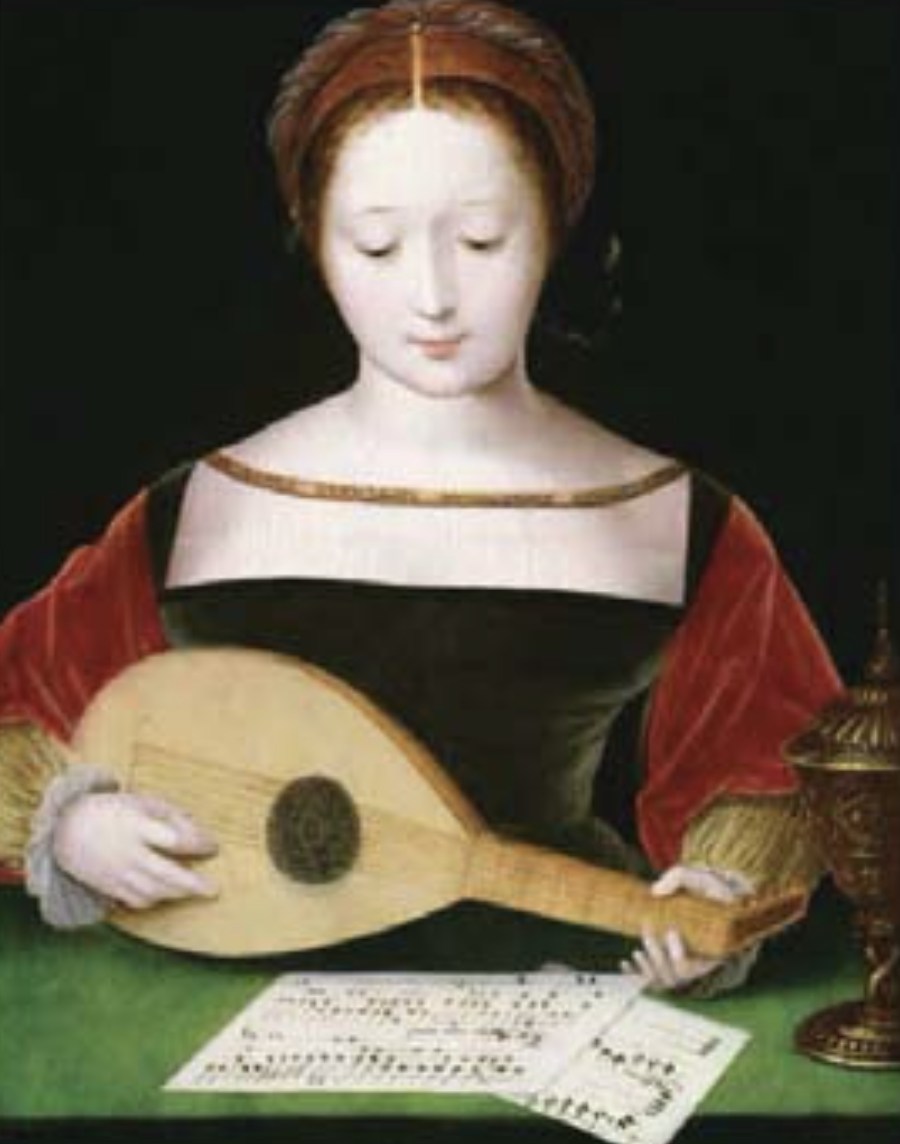
The rise of Instrumental music started in the Renaissance era. The growth began in the Baroque era because it was written in sheet music and method books (Burkholder et al. 263). Most of the principal Renaissance wind instruments, such as the recorders, transverse flute, shawms, cornets, and trumpets, were already used in the Middle Ages. Newly prominent in the Renaissance were the sackbut and the crumhorn. The most popular household instrument was the lute. The viola da gamba was developed in Spain and then adopted by Italy. The violin appeared in the early 16th century as a descendant of the medieval fiddle. Organs were widely used in the Middle Ages but changed over time. By 1500, the organ was built like how we know it today. The clavichord and harpsichord were the two main types of keyboard instruments (Burkholder et al. 267-269).
Characteristics
Basso continuo was when the composer wrote out the melody and the bass but left it to the performers to fill in the chords. When the chords needed to be in a position other than root or contained nonchord tones, the composer added figures above or below the bass notes, known as figured bass. Combined voice and instruments were known as the concerto style. Baroque music used ornaments like trills, turns, appoggiaturas, and mordents to emphasize certain text parts. Music in the Baroque was now tonal within major and minor keys. (Burkholder et al. 301-306). Giovani Gabrieli composed polychoral motets, which meant works for two or more choirs (Burkholder et al. 283).
In ecclesis by Giovanni Gabrieli, an Italian sacred concerto (Motet)
Opera
A group of artists and poets called “Camerata” met to promote a revival of Greek drama. They came up with the idea of opera in musica- a work in music. Claudio Monteverdi is considered the father of opera when he wrote L’orfeo (Riding and Dunton-Downer 12).
Dido and Aeneas - Henry Purcell “When I am Laid in earth” Aria- England -Descending basso ostinato
Purcell set laments over basso continuo. The reoccurring stepwise descending motions convey a mournful mood (Burkholder et al. vol 1. 646)
Chamber
Most secular music involves voice and instruments, and many works use basso ostinato, a repeating pattern while the melody changes.
New Genres
Cantata was a new genre and meant a secular composition with continuo, usually for solo voice. Oratorio was a new religious music genre (Burkholder et al. 329-331). Sonatas were scored for one or two melody instruments, usually violins with basso continuo, later known as trio sonatas (Burkholder et al. 347). Linking two or three dances together created a suite (Burkholder et al. 349).
Late Baroque 1700-1750
The late Baroque continued believing in the Doctrine of affection, meaning music could evoke emotions. They did not create new genres; they continued to extend them. Important composers were Vivaldi, Handel, and Bach.
Vivaldi was popular for his concertos. Two hundred fifty of his concertos are for the orchestra with a solo instrument. He followed Albinoni’s three-movement plan: first fast, then slow in a correlated key, and last fast in the tonic. (Burkholder et al. 413-415). As a teacher, I would love to teach kindergarten students about the four seasons while listening to Vivaldi’s Four Seasons.
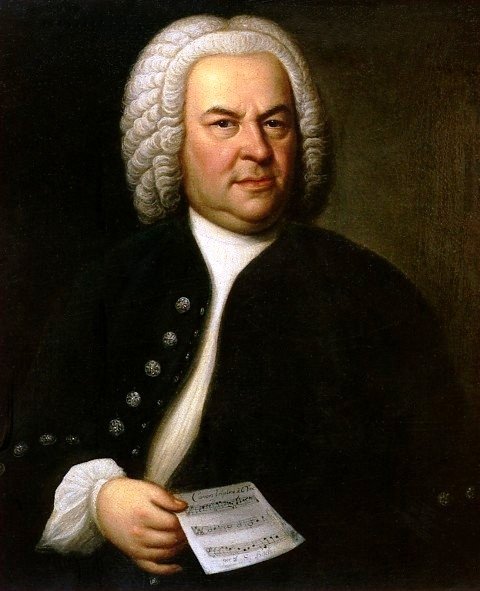
Bach was an organist and wrote a lot of music because of his job with the church. His organ music focused on genres used in the Lutheran service: chorale, toccatas, fantasias, preludes, and fugues. In his preludes, the chorale setting can be treated as a canon with ornamentation, some visual images, or ideas in the chorale tune. His harpsichord composition included all genres like suites, preludes, toccatas, fugues, and variation sets. His harpsichord suites show the influence of French, Italian, and German. His fugal techniques include inversions, augmentation, and stretto (overlapping entrances of the subject) (Burkholder et al. 439-448). Since he wrote so much music in different styles and genres, I think identifying him as a composer would be best for his use of polyphony, counterpoint, thick texture, fugue’s subject and response, and instrumentation like the early keyboards and sacred texts.
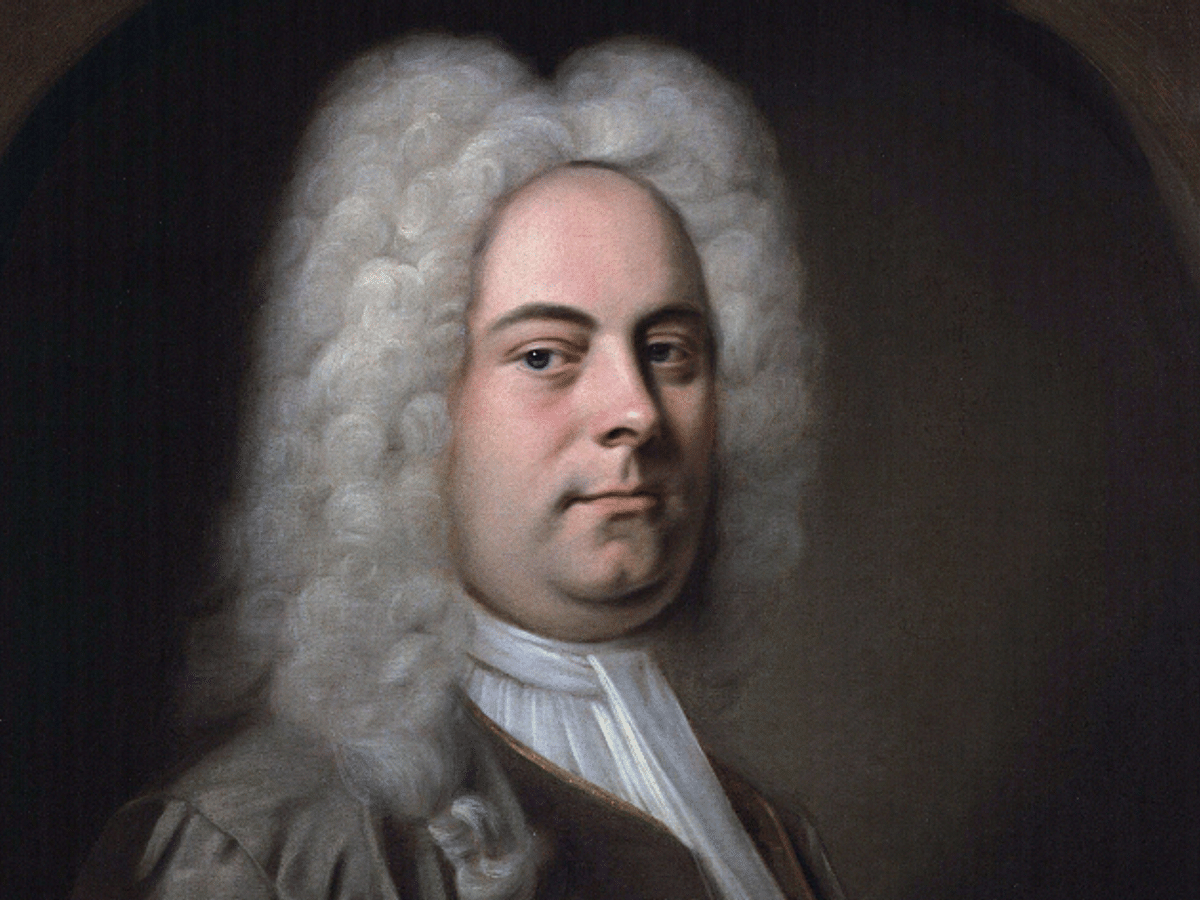
George Fredrick Handel was best known for his oratorios and operas. Opera dialogue developed into recitatives. He wrote various arias, some with brilliant ornamentation and sustained expressive songs. In some operas, he used key instrumentals to mark key moments in the plot. Handel devised a new genre, English oratorio. One important characteristic of Handel was his use of chorus. His most famous work is Messiah (Burkholder et al. 451-457).
Characteristics
A couple of things I noticed in baroque music are that dynamic elements were rare but existed, there was no phrasing, the music was tonal, and the string orchestra started with older instruments. Still, a full symphony did not exist yet.
Classical 1750-1803
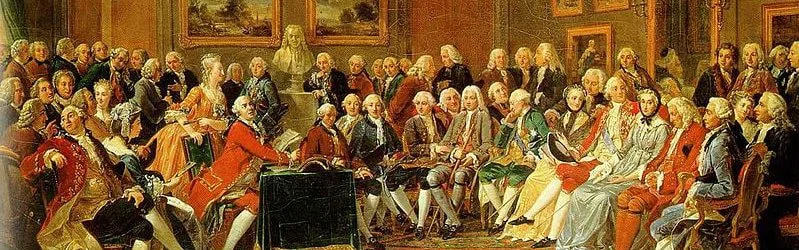
The Enlightenment themes were reasoning and progress. It gave birth to science through observations and belief in individual rights.
A new genre of music called galant style emerged and became popular because it appealed to the audience. The galant style was based on a melody with a light accompaniment and homophonic texture. This developed into the classical period (Van Boer 212). Important composers of this time were Haydn, Mozart, CPE Bach, Gluck, and J. C. Bach.
Characteristics
Periodicity started when instruments took a break from the melody line to divide it into related segments, which is how phrasing started. Two or more phases were needed to complete a period that ended with a cadence (Burkholder et al. 462). Most forms are harmonic and modulate from tonic to dominant or, in a minor key, the relative major. (Burkholder et al. 504). I noticed the music was homophonic, and the melody was clear, singable, and predictable.
Instrumental Music
The pianoforte was invented and replaced the clavichord, the string quartet was developed, the sonata became a leading genre, and the concerto and symphony dominated the orchestra (Burkholder et al. 499).
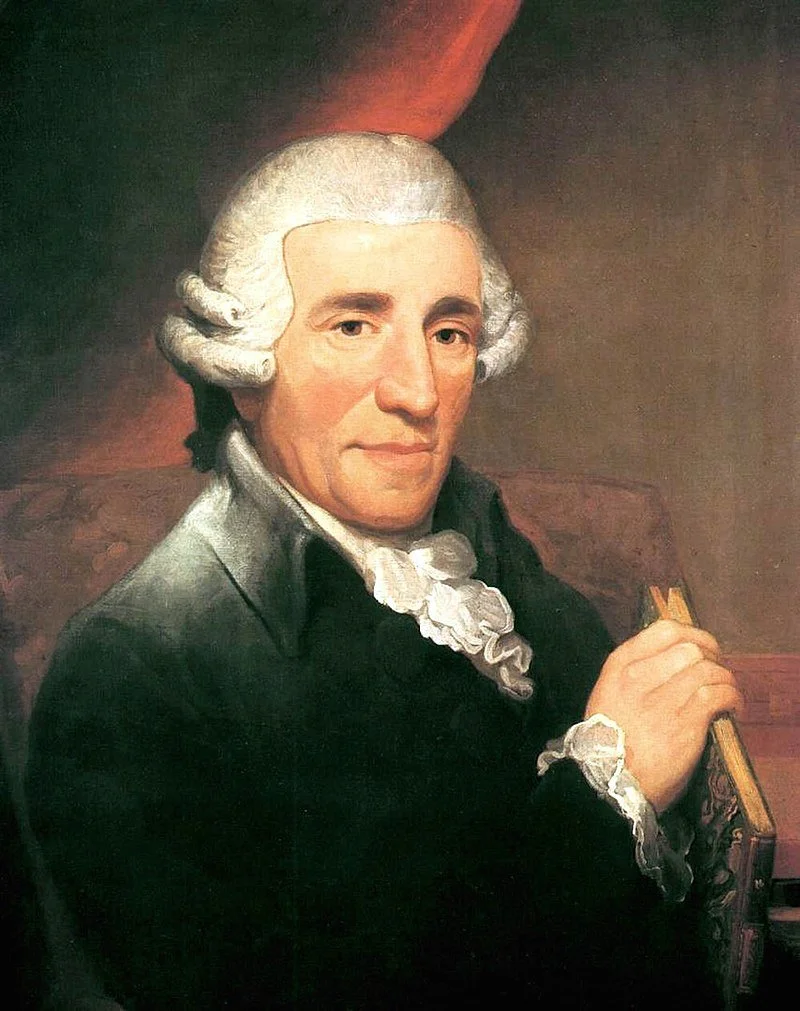
Joseph Haydn sought to appeal by using familiar themes and following phrasing, form, and harmony conventions. His music is clear, engaging, and easy to understand. His piano sonatas and trios were made for amateur musicians, and he stayed true to the form by building his themes from small motives (Burkholder et al. 527, 545).
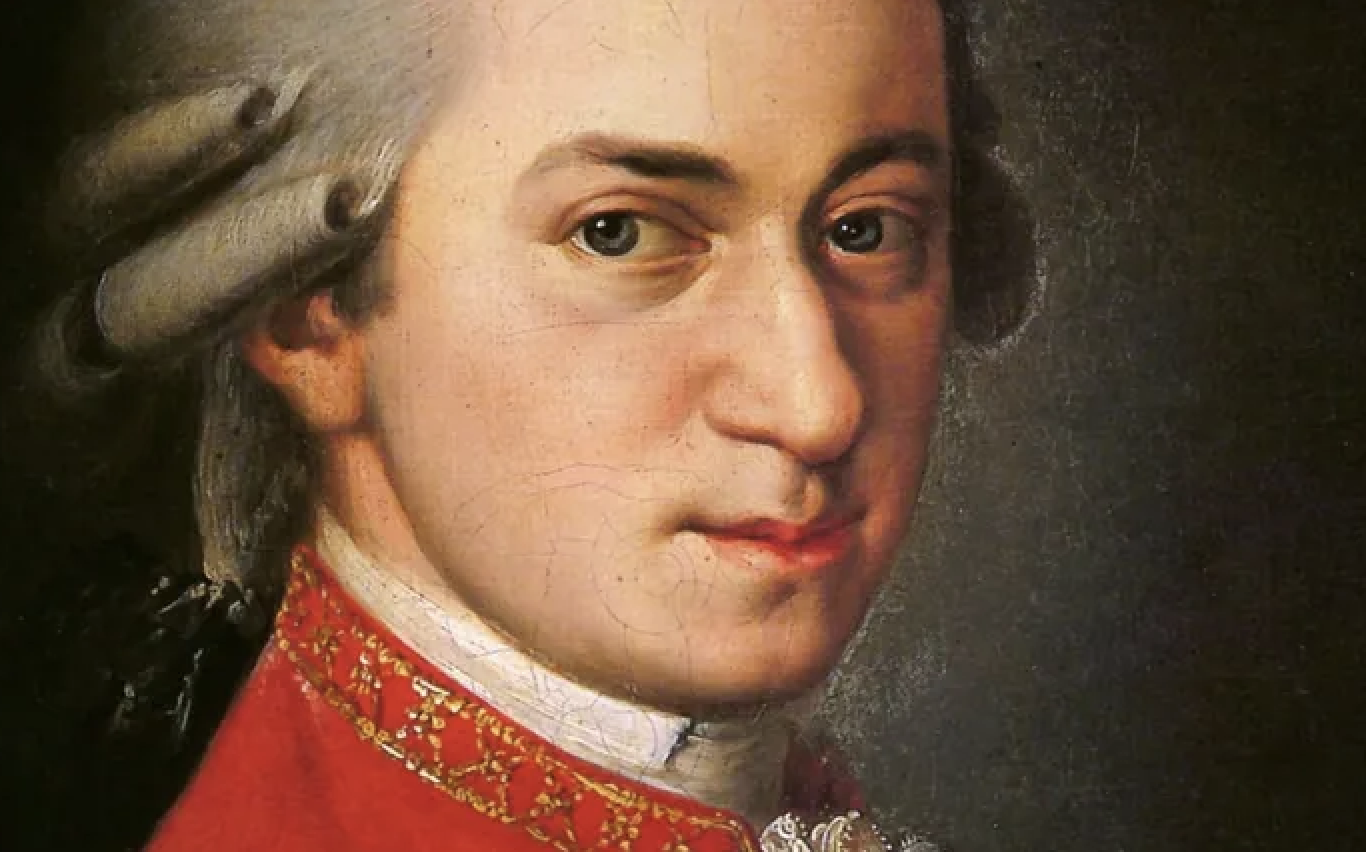
Wolfgang Amadeus Mozart was well-known for multiple genres of music. He was a virtuoso pianist and is well-represented in his piano works. His piano sonatas explored possibilities and diverse challenges. Mozart built his themes to be songlike, reflecting Italian influence. All composers used contrasting styles. Mozart’s had more contrasting styles, and now we call them topics. For example, Mozart’s Piano Sonata is in F major K. 332, the first phrase is in Allegro fast tempo, measure 5-12, introduces imitation, the second idea is hunting style because of the melody in the bass, and starting on m 23 is the Strum und Drang style (Burkholder et al. 545-547).
Learning about a piece's historical background can provide insights into the composer's intentions, the cultural influences of the time, and instrumentation. By studying music history, performers can better understand these stylistic elements and apply them to their interpretations. For example, knowing the characteristics of Baroque ornamentation can inform a performer's approach to playing music from those periods. Historical performance practices evolved, including instrument types, tuning systems, and performance techniques.
Works Cited
Burkholder, J. Peter and Claude V. Palisca. Norton Anthology of Western Music. W.W. Norton & Company, 2014, 2 Vols.
Burkholder, J. Peter and Grout, Donald Jay and Palisca, Claude V. A History of Western Music. W.W. Norton & Company, 2014.
Laudon, Robert T., and American Council of Learned Societies. The Era after the Baroque Music and the Fine Arts 1750-1900.
Pendragon Press, 2008.
Poultney, David. Studying music history: Learning, reasoning, and writing about music history and literature. Prentince-Hall Inc, 1996.
Riding, Alan and Dunton-Downer, Leslie. Opera: The Definitive Illustration Story. DK Penguin Random House, 2022.
Van Boer, Bertil H. Historical Dictionary of Music of the Classical Period. Scarecrow Press, 2012.